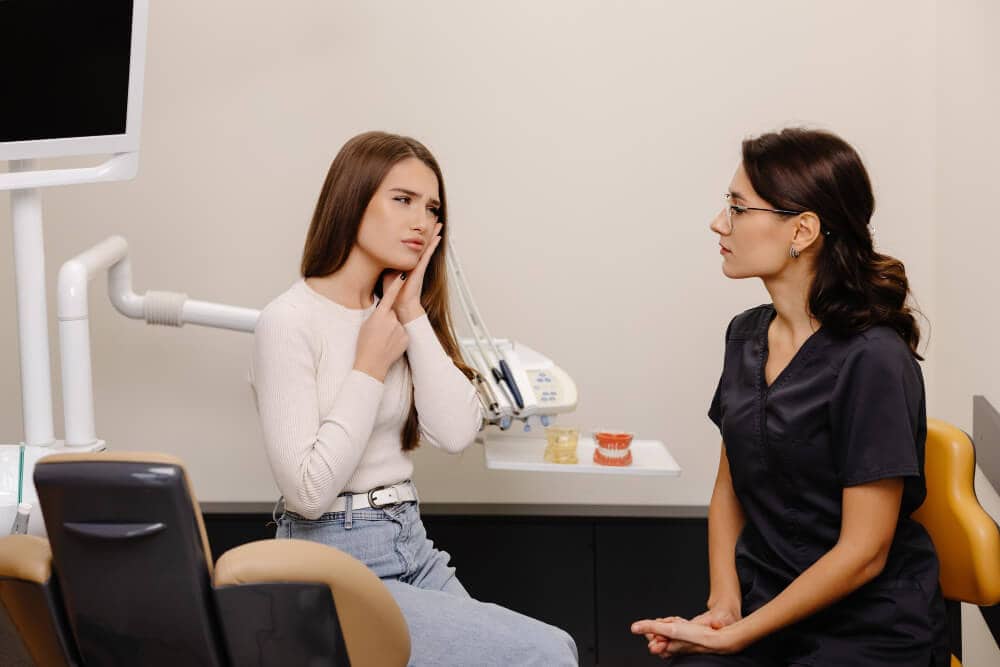
Dental emergencies have poor timing. A cracked tooth on a Saturday morning, a throbbing abscess that builds through the night, a knocked-out tooth at a child’s weekend sport — none of it waits for a Monday appointment slot. In a busy area like North Sydney, knowing your options before something goes wrong means you’re not making decisions under pain and panic when it does.
This guide covers what qualifies as a dental emergency, what to do in the critical window before you’re seen, and how to navigate care on the lower north shore.
What Counts as a Dental Emergency?
The distinction matters because it affects where you go and how quickly you need to move.
These situations need prompt attention — same day, where possible:
- Knocked-out tooth — The most time-critical emergency in dentistry. What you do in the first 30 minutes directly affects whether the tooth can be saved.
- Severe or persistent toothache — Pain that’s intense, waking you at night, or building over days isn’t something to wait out. It signals an underlying problem that won’t resolve without treatment.
- Swelling of the face, jaw, or gums — Swelling alongside tooth pain typically indicates infection. The concern is spread to the jaw, neck, or beyond.
- Broken or cracked tooth causing pain — A significant fracture, particularly one affecting the nerve, needs same-day assessment.
- Uncontrolled bleeding — From an extraction site or mouth injury. If firm pressure for 15–20 minutes doesn’t slow it, you need to care for it immediately.
- Lost crown or filling — Not always a same-hour emergency, but exposed tooth structure is vulnerable and often painful. Don’t leave it for weeks.
- Jaw injury — Any facial trauma involving the jaw should be assessed promptly, particularly after a fall, accident, or impact during sport.
If you’re unsure whether your situation qualifies, calling the clinic directly is the right move. Most dental teams can assess urgency over the phone.
The First 30 Minutes: What to Do Before You’re Seen
How you handle the window between the emergency and your appointment can affect the outcome — particularly with trauma.
Knocked-out tooth
Instead of picking up the tooth by the root, pick it up by the crown. If it’s dirty, rinse it briefly under clean water — no scrubbing. Make an effort to carefully put it back into the socket and secure it there. If that’s not possible, store it in milk or saliva—not in tissue or water.
Call your dentist immediately. Every minute beyond 30 reduces the chance of a successful outcome.
Broken tooth
Save any fragments. Rinse with warm water and apply a cold compress to the outside of the cheek. Avoid putting pressure on the area.
Severe toothache or swelling
Rinse with warm salt water. Apply a cold compress externally — 20 minutes on, 20 minutes off. Take ibuprofen or paracetamol as directed. Avoid placing any medication directly onto the gum or tooth.
If swelling is visibly spreading to the jaw or neck, or affecting your breathing, move to the hospital rather than waiting for a dental appointment.
Lost crown or filling
Temporary dental cement from a chemist can protect the exposed tooth until you’re seen. Avoid chewing on that side.
Hospital or Dentist: Making the Right Call
This is where people lose time — going to a hospital for something a dentist handles, or waiting on a dentist when a hospital is what’s needed.
Go to a hospital emergency department for:
- Swelling affecting your breathing or ability to swallow
- Uncontrolled bleeding that doesn’t respond to pressure
- Suspected jaw fracture
- Head trauma alongside dental injury
- High fever with spreading facial swelling
Hospitals can manage life-threatening complications and prescribe antibiotics or pain relief to stabilise you. What they can’t do is treat the dental problem itself — that still requires a dentist.
See a dentist for everything else:
- Toothache, including severe pain
- Knocked-out, broken, or cracked teeth
- Dental abscess without systemic symptoms
- Lost fillings or crowns
- Soft tissue injuries inside the mouth
For most dental emergencies in North Sydney, a dental practice with priority scheduling for urgent cases is the most effective first call — faster treatment, appropriate equipment, and follow-up care built in.
After Hours: What Are Your Options?
This is the gap most emergency guides don’t address directly.
If your emergency happens outside business hours, call your dental practice first. Many practices — including those serving the North Sydney area — provide after-hours phone guidance so you’re not making decisions mindlessly. They can advise whether your situation can be managed until morning or needs immediate hospital attention.
For situations that genuinely can’t wait — uncontrolled bleeding, spreading swelling, facial trauma — go to the closest public emergency department.
For everything else, the goal is to manage pain and protect the area overnight, then get seen first thing when the practice opens. Practices that offer priority scheduling for urgent cases will accommodate same-day appointments when you call early.
Managing Pain While You Wait
These won’t treat the underlying problem, but they’ll help you get through until your appointment.
- Pain relief — Ibuprofen is generally more effective for dental pain than paracetamol alone because it targets inflammation. Take as directed. Avoid aspirin if there’s any bleeding.
- Cold compress — Against the outside of the cheek, 20 minutes on, 20 minutes off. Don’t apply ice directly to skin.
- Salt water rinse — A half-tsp of salt dissolved in warm water, rinsed gently around the affected area. Helps keep the area clean.
- Clove oil — Applied sparingly to the tooth or gum with a cotton ball. Provides short-term numbing. Use it as a bridge, not a solution.
- Sleep position — Keep your head elevated. Lying flat increases blood flow to the area and can intensify throbbing pain.
Preventing the Next Emergency
Not every dental emergency is avoidable, but many are.
- Mouthguards for sport — North Sydney has no shortage of weekend sport. A custom-fitted mouthguard from your dentist offers substantially better protection than a chemist option, particularly for contact sports.
- Regular dental check-ups — Most dental emergencies don’t arrive without warning. Cracks, decay, and failing restorations develop over time. Routine examinations catch them before they become urgent — and before treatment becomes more involved.
- Don’t ignore early symptoms — A tooth that’s occasionally sensitive or mildly uncomfortable is signalling something. Acting on it early is almost always simpler and less costly than waiting until pain forces the issue.
- Avoid using teeth as tools — Tearing packaging, cracking nuts, biting nails — each puts teeth under stress they’re not built for.
Frequently Asked Questions
What if my emergency happens after hours or on a weekend?
For situations that can wait, manage pain with the steps above and call the clinic as soon as it reopens — urgent cases are seen as a priority. For life-threatening symptoms such as uncontrolled bleeding or spreading swelling, go directly to the emergency department.
Is a chipped tooth a dental emergency?
A minor chip with no pain can generally wait for a scheduled appointment. If the chip is significant and causes sharp pain, or if the tooth feels loose or sensitive to temperature, contact your dentist the same day.
Can a knocked-out tooth be saved?
In many cases, yes — but only if you act quickly, the 30-minute window is real. Keep the tooth moist, handle it by the crown, and call your dentist immediately.
What does emergency dental treatment cost?
Treatment costs depend on what’s needed — the nature of the emergency, whether X-rays are required, and the treatment performed. A clear quote is provided before any work begins. Flexible payment options are available for those who need them.
Dental Emergency in North Sydney — We’re Here When It Matters
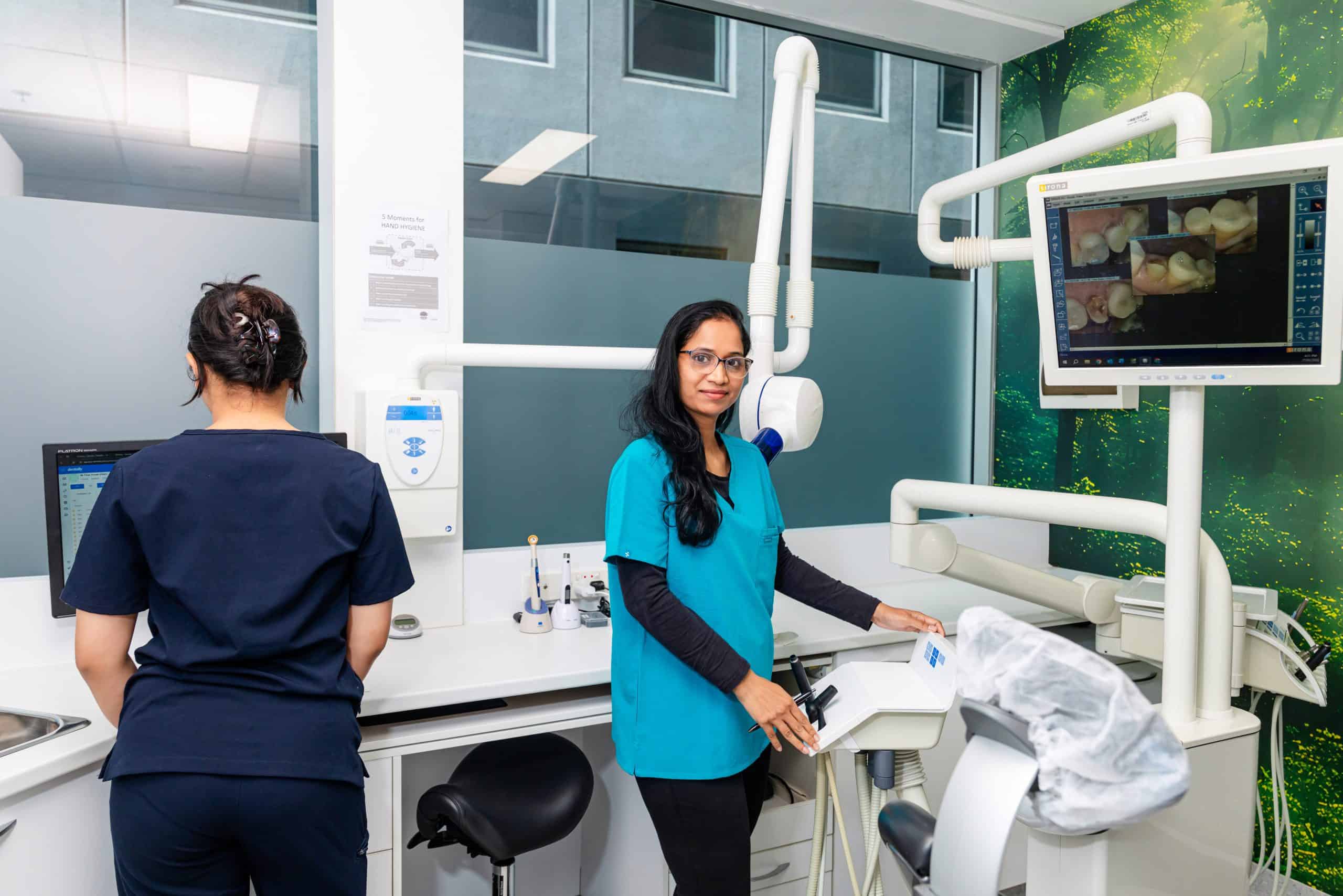
Smile Sydney has been providing emergency dental care to patients across North Sydney for over a decade. Urgent cases are prioritised, and our team is equipped with digital X-rays and modern diagnostic tools to efficiently assess and treat.
If you’re in North Sydney, Neutral Bay, Kirribilli, Milsons Point, or Cremorne and you’re dealing with a dental emergency, don’t wait.
Call us at (02) 9955 3244 or book online.
We’re at Level 1, 93 Pacific Highway, North Sydney.