

When your tooth starts throbbing or reacting sharply to hot and cold, it’s hard to ignore. That lingering discomfort can quickly affect how you eat, sleep, and go about your day. If you’ve been searching for a root canal treatment in North Sydney, chances are you’re looking for both relief and clarity about what comes next.
The good news is that a root canal is designed to do exactly that—relieve pain, stop infection, and help you keep your natural tooth. Understanding the process and what to expect can greatly reduce uncertainty, making it easier to move forward with confidence.
What Is a Root Canal?
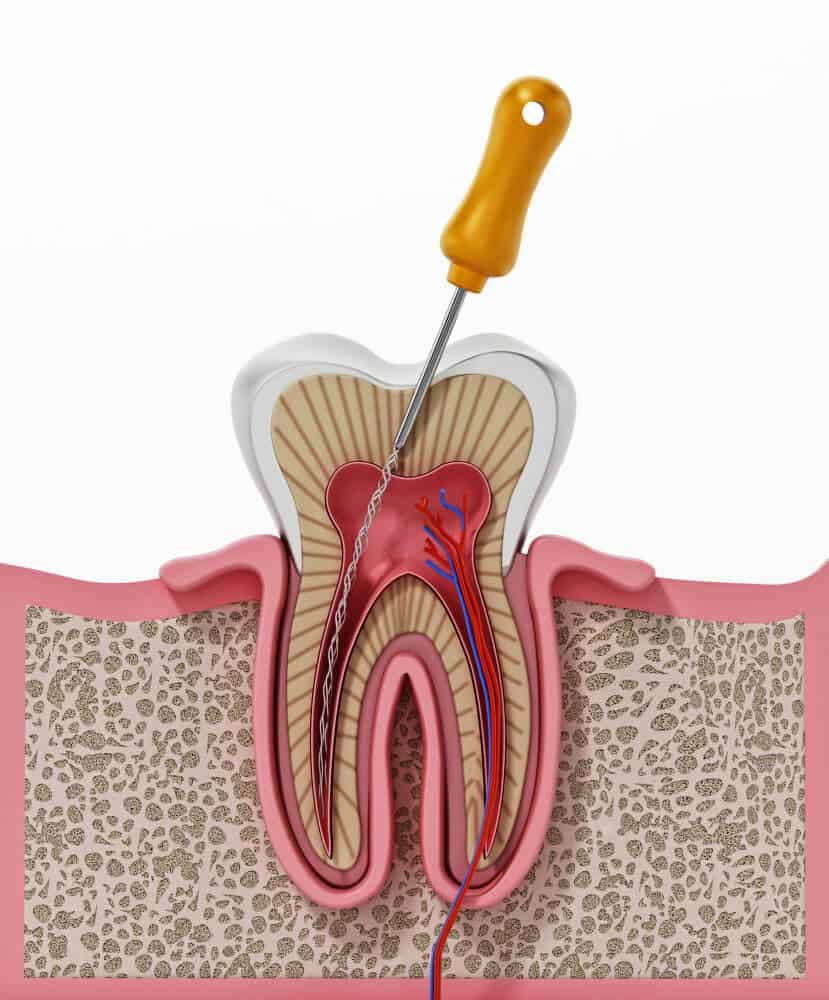
It is an endodontic procedure that helps preserve a damaged or infected tooth. The inner part of the tooth, known as the pulp, contains nerves and blood vessels. If left untreated, this pulp’s infection or irritation can result in excruciating pain and more serious issues.
During a root canal treatment, patients commonly receive, the infected pulp is carefully removed. The inner space of the tooth (the root canals) is then cleaned, shaped, and sealed to prevent reinfection.
Rather than extracting the tooth, the procedure focuses on saving your natural tooth, supporting healthy chewing function and helping maintain the alignment of surrounding teeth.
When Is a Root Canal Needed?
When your tooth’s pulp gets infected or damaged, a root canal is required. This can happen for several reasons:
- Deep decay that reaches the inner layers of the tooth
- A chipped or fractured tooth that reveals the pulp
- Trauma to the tooth, even without visible damage
- Repeated dental procedures on the same tooth
- Untreated cavities leading to infection
- Development of an abscess (a pocket of infection)
Common Symptoms to Watch For
You may need endodontic treatment, which patients often seek if they experience:
- Persistent or severe toothache
- Sensitivity to hot or cold that lingers
- Pain when biting or chewing
- Swelling in the gums or face
- A darkened or discoloured tooth
- A small pimple-like bump on the gums
It’s important not to ignore these signs. Early intervention can lessen treatment complexity and stop the infection from spreading.
The Root Canal Procedure Step by Step
If you’ve been told you need a root canal treatment in North Sydney, knowing what to expect can help ease any anxiety. The procedure is typically straightforward and completed over one or two visits.
1. Examination and X-rays
To map the shape of the root canals and analyse the extent of the infection, your dentist will first perform a comprehensive examination, often utilising X-rays.
2. Local Anaesthesia
The area around the tooth is numbed to ensure you remain comfortable throughout the procedure. Most patients find this similar to having a filling.
3. Isolation with a Rubber Dam
A small protective sheet (rubber dam) is placed around the tooth to keep it dry and free from bacteria during treatment.
4. Access Opening
A small opening is made in the top of the tooth to access the infected pulp.
5. Removal of Infected Pulp
The damaged pulp is carefully removed using specialised instruments.
6. Cleaning and Shaping
The inside of the canals is cleaned and shaped to prepare for sealing. This is a crucial step in eliminating bacteria and preventing reinfection.
7. Filling the Canals
The canals are then filled with gutta-percha, a biocompatible material that effectively seals the space.
8. Temporary Restoration
Until a permanent restoration is finished, the tooth is protected by a temporary filling.
9. Final Restoration (Crown Placement)
To help reinforce the tooth and restore normal function, especially in molars, a dental crown is often recommended.
Does a Root Canal Hurt?
Whether the root canal process is unpleasant is one of the most common concerns. The good news is that modern dental techniques and anaesthesia have made root canals far more comfortable than their reputation suggests.
In most cases, the experience is comparable to having a routine filling. The treatment aims to eliminate pain caused by infection, not add to it.
Myth vs Reality
- Myth: Root canals are extremely painful
- Reality: The procedure is designed to eliminate pain and is performed under effective anaesthesia
After the procedure, it’s normal to experience mild tenderness for a few days. This can typically be managed with standard over-the-counter pain relief and good aftercare.
Recovery Timeline and Aftercare
Understanding root canal recovery can help you feel more prepared and confident after treatment.
Day 1–3: Initial Healing
You may notice mild soreness or sensitivity, especially when chewing. This is a normal response as the surrounding tissues heal.
First Week: Improvement
Most discomfort typically settles within a week. You should be able to return to your normal routine, although it’s best to be cautious with the treated tooth.
Aftercare Tips
- Avoid chewing on the treated side until the final restoration is placed
- Focus on eating softer foods while your tooth heals.
- Maintain good oral hygiene—brush and floss as usual
- Attend follow-up appointments as recommended
- Get in touch with your dentist if you notice severe pain or swelling.
Long-Term Care
Once the final restoration (such as a crown) is in place, the treated tooth can function like any other. With proper care, it can last for many years.
Root Canal Cost Factors
It’s important to note that the cost of root canal treatment in Sydney may vary based on several key factors.
Factors That May Affect Cost
- Tooth Location: Front teeth generally have fewer canals than molars, which can make treatment less complex
- Complexity of the Case: Curved or narrow canals may require more time and precision
- Severity of Infection: Advanced infections may involve additional steps
- Need for a Crown: Many teeth require a crown after treatment to restore strength
- Health Fund Coverage: Depending on your policy, some aspects of treatment may be covered
Discussing your individual case with your dental provider can help you better understand what’s involved.
Frequently Asked Questions
How many visits are needed for a root canal?
In most cases, a root canal is completed over one or two visits. The number of appointments depends on the tooth’s complexity and the level of infection.
Can a tooth get re-infected after a root canal?
Root canals generally have a strong success rate, but reinfection may occur if the tooth is not adequately restored or bacteria re-enter the treated area. Good oral hygiene and timely crown placement help reduce this risk.
What happens if I delay treatment?
Delaying a necessary root canal can allow the infection to spread, potentially leading to increased pain, swelling, or even tooth loss. Early treatment is always recommended.
Is extraction better than a root canal?
Saving your natural tooth is generally preferred when possible. A root canal helps maintain your bite and prevents surrounding teeth from shifting. Tooth extraction may be an option if the tooth cannot be restored.
How successful is root canal therapy?
Root canal treatments are widely considered effective, especially when followed by proper restoration and care. Many treated teeth last for years or even decades.
Root Canal Treatment in North Sydney
If you’re dealing with tooth pain or have been recommended for a root canal treatment in North Sydney, prompt treatment can make a significant difference. Addressing the issue early helps preserve your natural tooth and prevent further complications.
At Smile Sydney, we aim to ensure you feel informed, at ease, and supported throughout your entire treatment journey. Whether you’re coming from North Sydney, Neutral Bay, Kirribilli, Milsons Point, or Cremorne, you’ll have access to our team that prioritises clear communication and patient-focused care.
Call us at (02) 9955 3244 or book online to arrange your consultation.
Visit us at Level 1, 93 Pacific Highway, North Sydney and take the next step towards a healthier, more confident smile.